Every child has a superhero within.
Through our free, year-long conscious education program, we encourage children to build skills to support their mental health and strengthen their agency: thinking independently, regulating their emotions, finding joy in everyday moments, and making decisions with compassion and care for themselves and others.
Our Mission
Altruism Now helps children and young people understand and navigate their inner world through four Life Superpowers: Mind, Body, Essence, and Connection. Through play, stories, movement, reflection, and safe somatic practices, participants strengthen conscious choice, self-regulation, self-worth, and belonging.
Real superheroes are made from the inside out.
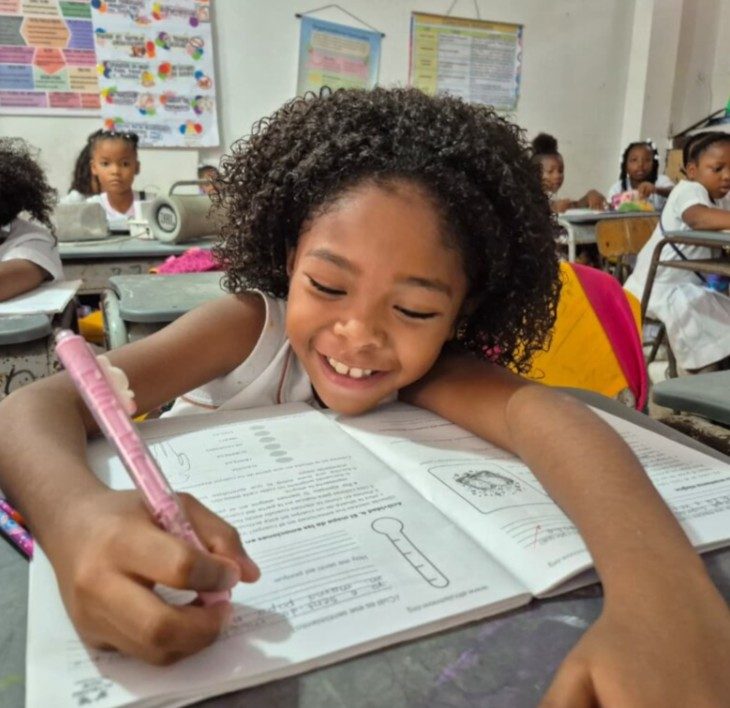
Where real power begins
At an orphanage in Mexico, eight-year-old Jorge* told us,
“When I grow up, I want to be a narco.”
When we asked why, his answers followed a chain: money, then power, then respect.
Across many conversations with children, a similar belief emerges: pursuing money and power at any cost will bring respect, love, and happiness.
Our program offers children tools to question these beliefs, choose independently, and find joy, belonging, and meaning in their strengths, relationships, and contributions to others. We prioritize children facing poverty, violence, and exploitation, aiming to help prevent recruitment by armed groups and drug cartels.
*Jorge is a pseudonym used to protect his privacy.
Four Life Superpowers
Mind
They practice self-observation through stories, meditation, and guided questions to explore “addiction to thinking”, challenging getting caught in repetitive thoughts. They explore learned beliefs, patterns, and the stories they tell themselves to develop self-leadership and make conscious choices.
Body
They recognize their emotions and notice how their bodies respond to stress or threat. They practice calming their nervous systems through breathing, movement, play, and relaxation.
Essence
Through stories, guided reflection, identity exercises, and role-play, they explore their strengths and possibilities beyond their past. They practice being present, enjoying everyday moments, and setting goals without tying their worth to achievement.
Connection
Teamwork encourages belonging. Community projects invite them to explore purpose and practice compassion and altruism by helping one another and caring for Mother Earth.
Learning with joy and presence
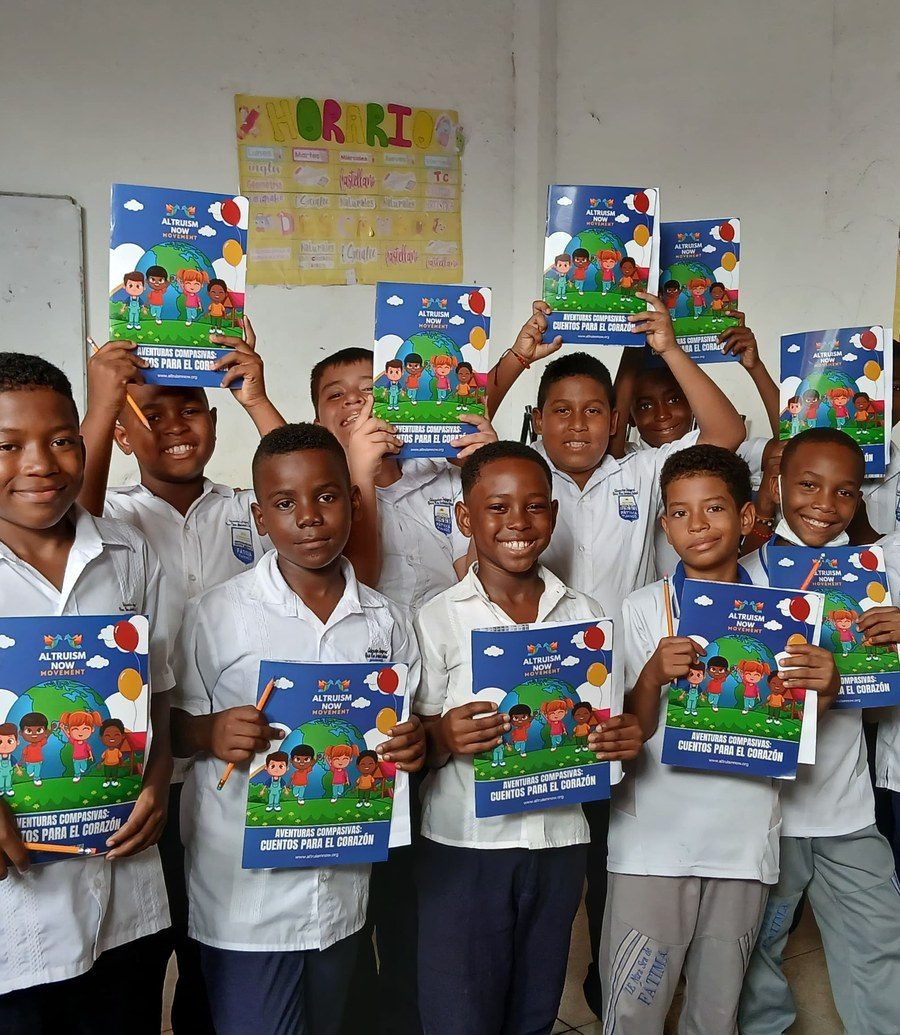
Both age groups join two-hour sessions every one to three weeks, depending on each institution’s schedule. Guides encourage questions and discovery. Activity books support practice between sessions at each participant’s own pace.
Guided by people they know
As Superhero Guides, teachers, leaders, and caregivers in orphanages and schools receive ongoing training and minute-by-minute session plans. As they learn alongside children, they develop skills they can use with future groups, helping each institution continue the program and support more children over time.
Field Results at a Glance
Results from active programs across Colombia, Mexico, and Ecuador.
What changed
An internal assessment involving 2,500 children compared responses collected during months 1 and 6 of a year-long program.
How we measured
Multiple-choice questions answered by a show of hands in group sessions. Possible peer influence; no comparison group. We continue to refine our measurement instruments to better assess program outcomes.
The Stanford CCARE Opportunity
We are seeking to strengthen the evidence behind the Four Life Superpowers by connecting with researchers and strategic partners. Let’s explore collaborating on program evaluation.
Looking ahead, we hope to thoughtfully adapt the program for a future pilot with Latino communities in the United States.
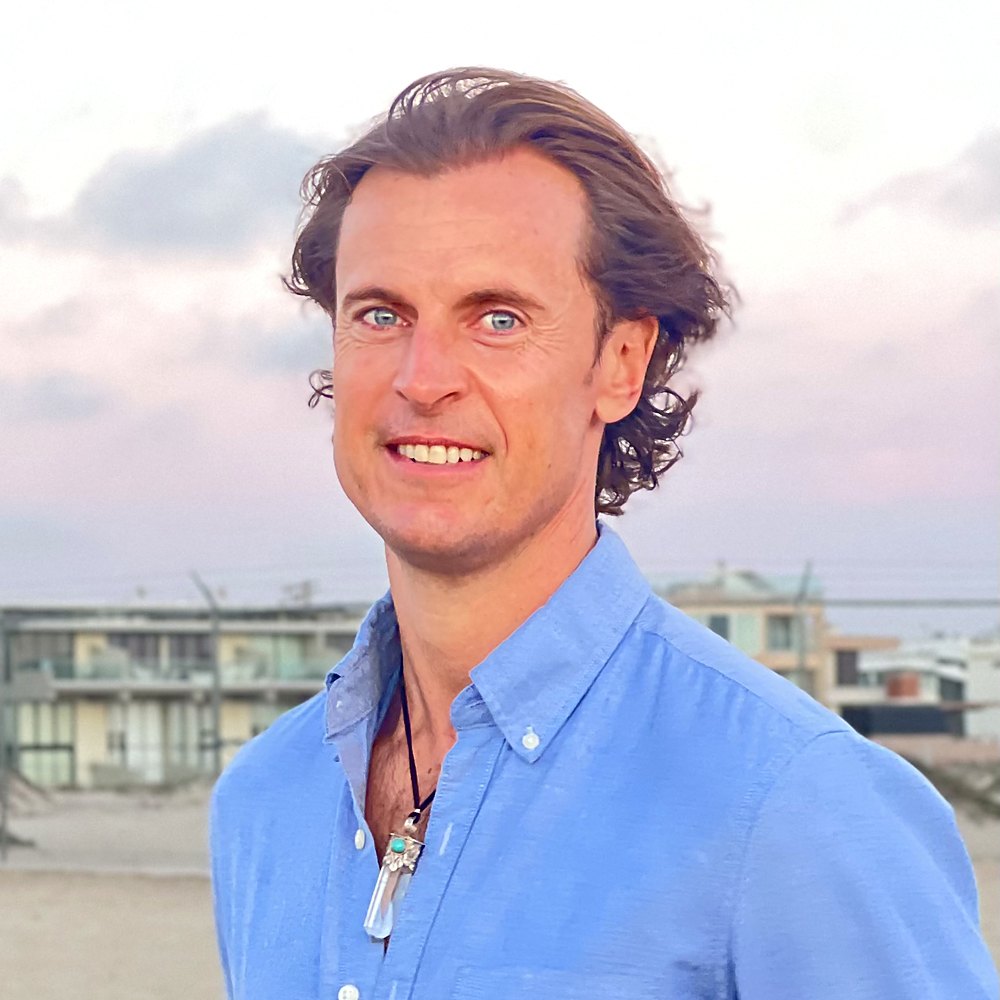
Founding Leadership
Evidence Informing the Model
The Four Life Superpowers Program draws on research-informed, joy-centered approaches that integrate play, audio, and somatic practices to support regulation, learning, and healthy development.
Chronic Stress and Post-Pandemic Adversity
In Latin America, chronic violence and adversity can keep children in heightened states of physiological stress, making learning and emotional regulation more difficult.
World Bank: Mental Health in LAC
Untreated trauma costs the region 3,618 DALYs per 100k people.
View sourceHarvard Center on the Developing Child
Understanding toxic stress and its impact on developing brain architecture.
View sourceJoy-Centered, Regulation-Informed Practice
An integration of current research on trauma recovery, emotional granularity, and the developmental role of play.
AAP: The Antidote to Toxic Stress
The American Academy of Pediatrics highlights play as an important contributor to healthy child development and resilience.
View sourceYale: Emotional Granularity
The RULER framework supports emotional awareness and regulation, helping strengthen access to learning and decision-making.
View sourceFrontiers: The Audio Advantage
Research on audio narratives and their potential to support regulation and literacy in low-resource settings.
View sourceSuperhero Guides
Drawing on cost-effective delivery approaches identified in effective-altruism and task-shifting research.
The Lancet: Task-Shifting Efficiency
Evidence on digital interventions guided by non-specialists in low- and middle-income countries (LMICs).
View sourceWorld Happiness Report 2025
Highlighting group-based, lay-delivered psychotherapy as a potentially cost-effective intervention.
View sourceHuman Skills as Long-Term Capital
Longitudinal research links childhood self-regulation with important long-term outcomes, including financial well-being.
PMC: The Wealth Predictor
The relationship between childhood regulation and long-term financial stability.
View sourceCASEL: High ROI of SEL
One widely cited economic analysis estimated an average return of approximately $11 for every $1 invested in Social and Emotional Learning (SEL) programs.
View sourceKey References
- Happier Lives Institute (2023): “Cost-effectiveness analysis of group psychotherapy.”
- Fu, Z., et al. (The Lancet Global Health, 2022): “Digital interventions for mental health in LMICs.”
- Yogman, M., et al. (Pediatrics, 2021): “The Power of Play: Enhancing Development.”
- Brackett, M. A. (2019): Permission to Feel. Yale Center for Emotional Intelligence.
- Belfield, C. (2015): “The Economic Value of SEL.” Columbia University.
Partner with us.
Support conscious education for children in Mexico, Colombia, and Ecuador.
Let's explore collaborating on program evaluation and piloting the Four Life Superpowers in partnership with communities in the United States.
Use your power. Help a child discover theirs.