

The Science of Joy: Conscious Education for Poverty Alleviation
Millions of children in Latin America face violence and emotional deprivation.
EAE “Escucha – Aprende – Evoluciona” blends proven emotional and contemplative practices. Local facilitators empower youth, building resilience and long-term well-being.
A Regional Crisis: Emotional Poverty Sustains Economic Poverty
Latin America faces one of the deepest youth crises globally.
45%
of children and adolescents live in poverty
60%
experience violence, neglect or trauma
High Risk
of school dropout and social exclusion
Critical
shortage of mental health professionals
Why Emotional Development Matters
Children who grow up without emotional skills (self-esteem, critical thinking, emotional regulation) are significantly more likely to engage in—or become victims of—delinquency and cycles of violence.
Research from UNICEF, CASEL, OEI, and global mental health institutes confirms that socio-emotional learning (SEL) is one of the most effective ways to:
- Reduce the effects of poverty
- Prevent violence
- Improve school and life outcomes
Emotional development is not a “soft skill”—it is a protective factor shaping academic, social, and economic success.
But Traditional SEL Alone Is Not Enough
For youth exposed to chronic stress, poverty, and trauma, SEL by itself can fall short. Recent evidence shows better outcomes when SEL is combined with:
- Contemplative practices (mindfulness, breathwork).
- Somatic interventions (movement, grounding, rhythm)These integrated approaches are especially effective for young people whose nervous systems are affected by prolonged adversity.
These integrated approaches are especially effective for young people whose nervous systems are affected by prolonged adversity.
WE ARE MORE THAN SEL
Beyond Traditional Socio-Emotional Learning
Most SEL programs focus on cognitive and behavioral skills. Conscious Education goes further by integrating three evidence-based dimensions that support the whole person—mind, body, emotions, and spirit.
Contemplative Practices
Mindfulness, breathwork, and introspection strengthen self-awareness and reduce anxiety and trauma symptoms.
Research on ACEs (Adverse Childhood Experiences) shows contemplative practices are especially effective for youth exposed to chronic stress.
Somatic Interventions
Movement, rhythm, music, and grounding help process trauma held in the body—an area traditional cognitive approaches cannot fully reach.
Studies confirm somatic methods activate regulatory pathways essential for emotional healing.
Trauma-Informed Care
Our methodology acknowledges that poverty and violence generate complex trauma.
By combining SEL with contemplative and somatic tools, we support resilience, emotional regulation, and long-term well-being in high-adversity contexts.
EAE: A Proven, Scalable Model for Emotional Wellbeing and Human Development
EAE operationalizes Conscious Education through a comprehensive, evidence-based approach that integrates global research in SEL, cognitive-behavioral strategies, trauma-informed practices, and contemplative pedagogy into a 16-week curriculum designed specifically for vulnerable children and youth in Latin America.
But EAE’s true innovation is its distribution model:
Task-shifting
We train trusted community staff and volunteers as SEL Facilitators through an 8-hour training—solving the region's severe mental health professional shortage.
Low-cost, high-fidelity delivery
Digital content and group-based implementation reduce the cost of a full cycle to only $50 per participant, making the model sustainable for low-resource institutions.
Cultural adaptation
All materials are created by Latin American psychologists and educators, integrating regional storytelling, language-healing techniques, and context-specific emotional challenges.
Designed for scale
Through partnerships with foundations, schools, shelters, and social organizations, EAE replicates rapidly across regions using a facilitator network—not new infrastructure.
What Children and Youth Gain Through EAE
EAE strengthens six core developmental areas linked to breaking cycles of poverty:
Self-awareness
Participants understand their emotions, strengths, and thought patterns.
Emotional regulation
Children learn strategies to manage stress, frustration, anger, and anxiety.
Communication & conflict resolution
They develop healthier interactions, empathy, and the ability to express needs safely.
Critical thinking & decision-making
They strengthen judgment, risk assessment, and the ability to make constructive choices.
Prosocial skills
Cooperation, empathy, and community-building behaviors increase significantly.
Sense of purpose and future vision
Youth build self-confidence, aspirations and agency—key protective factors for long-term wellbeing.
Our Current Footprint and Where We Are Going
In 2025, EAE has achieved:
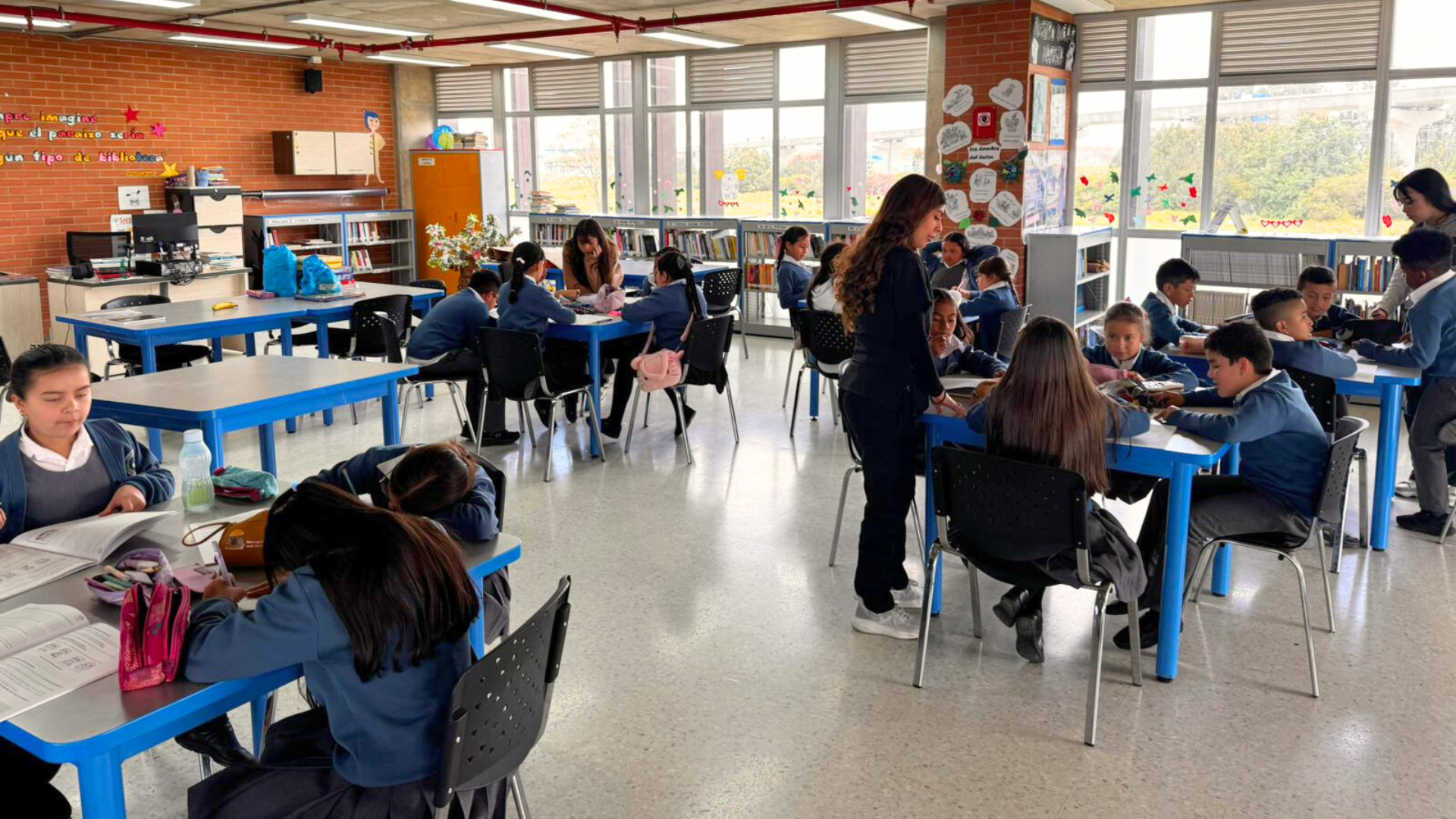
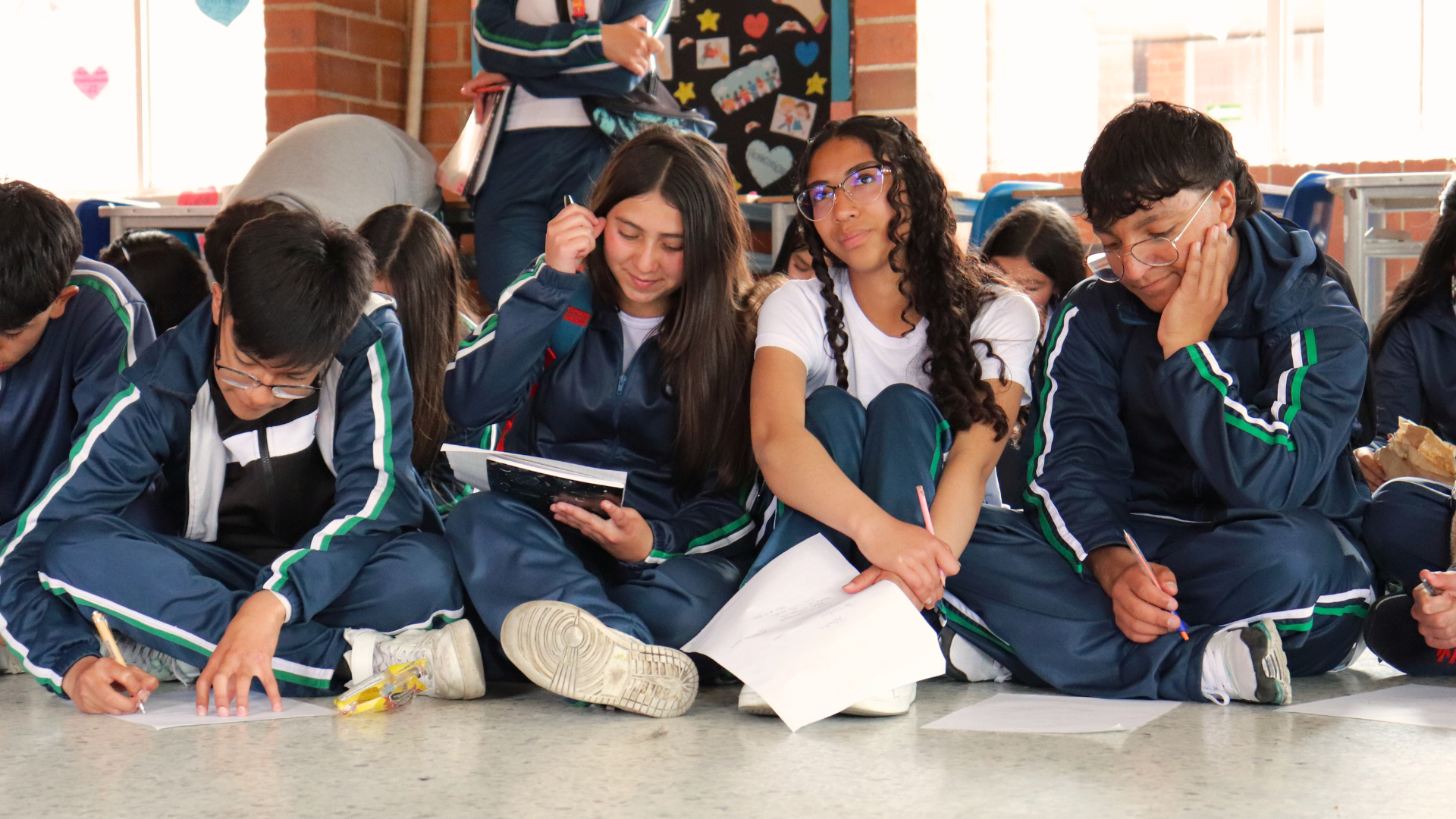
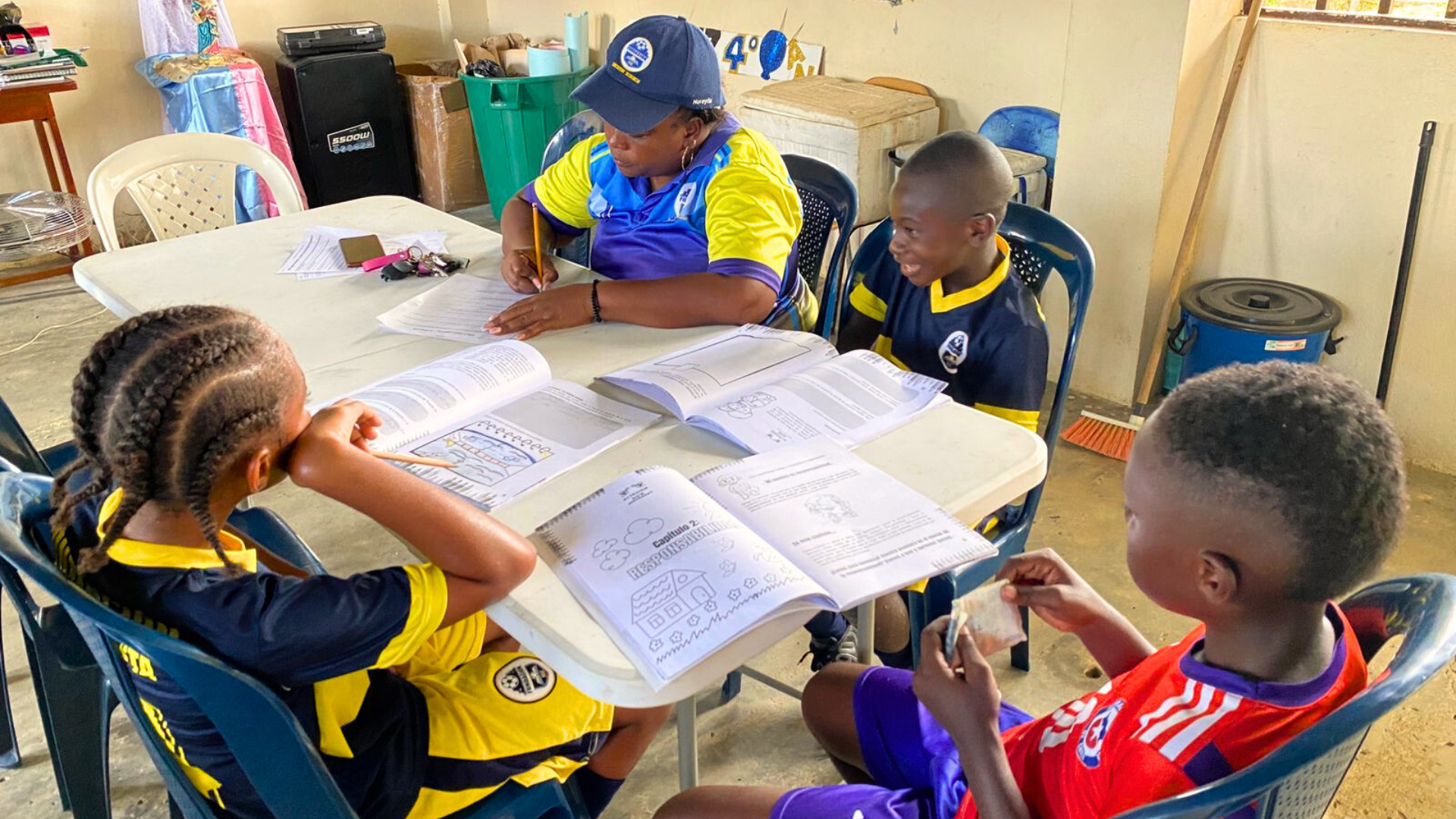
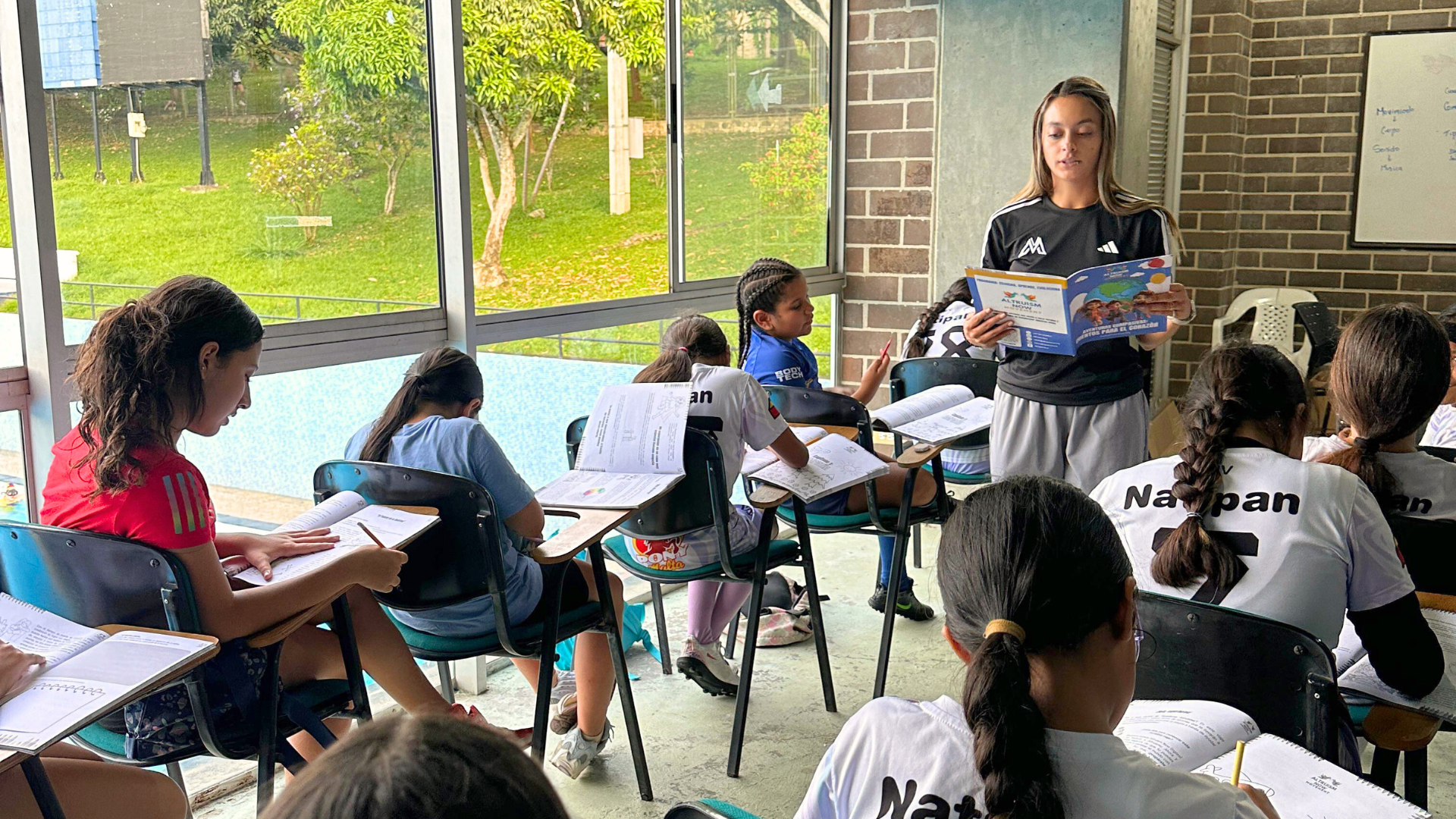
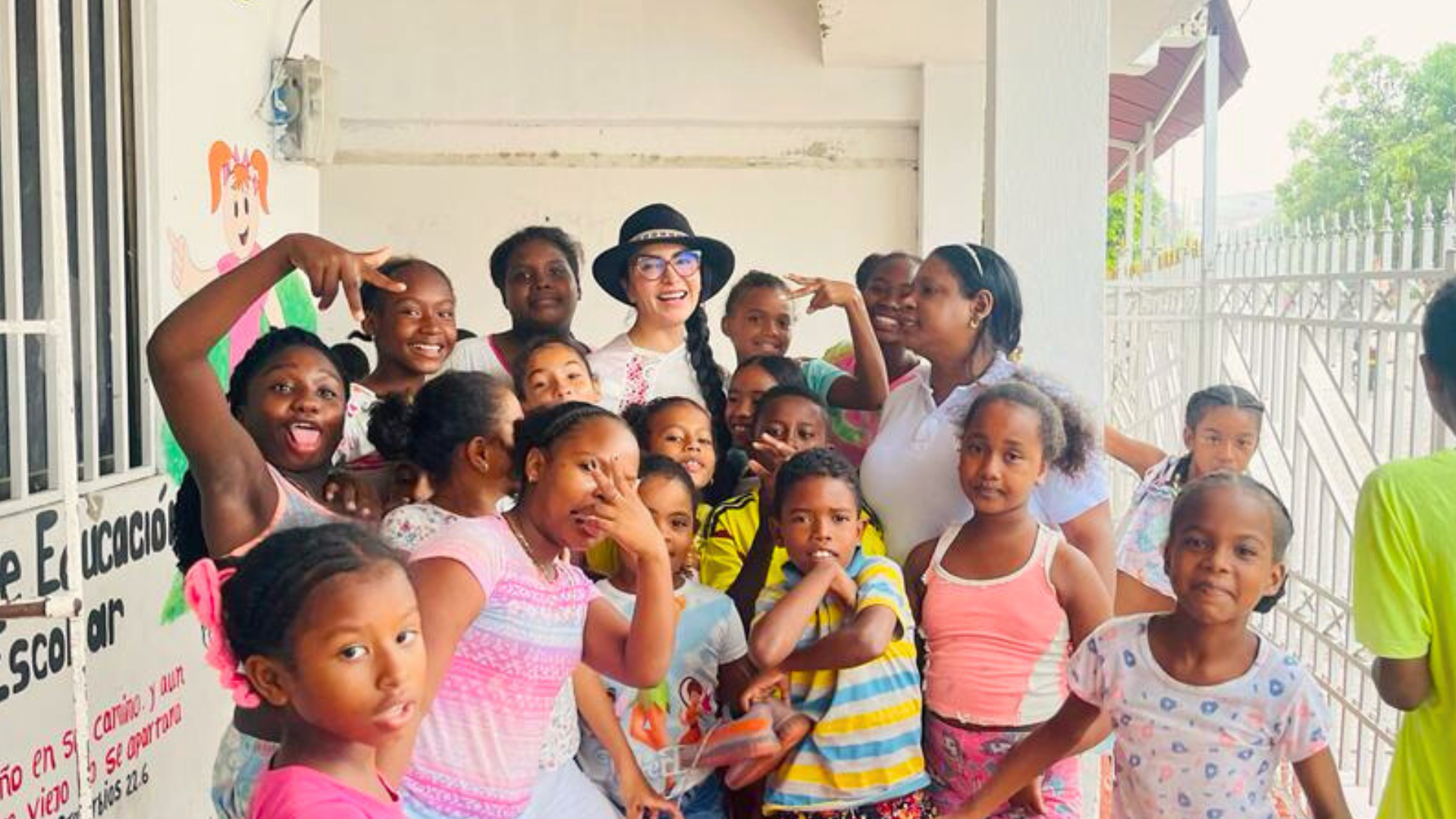
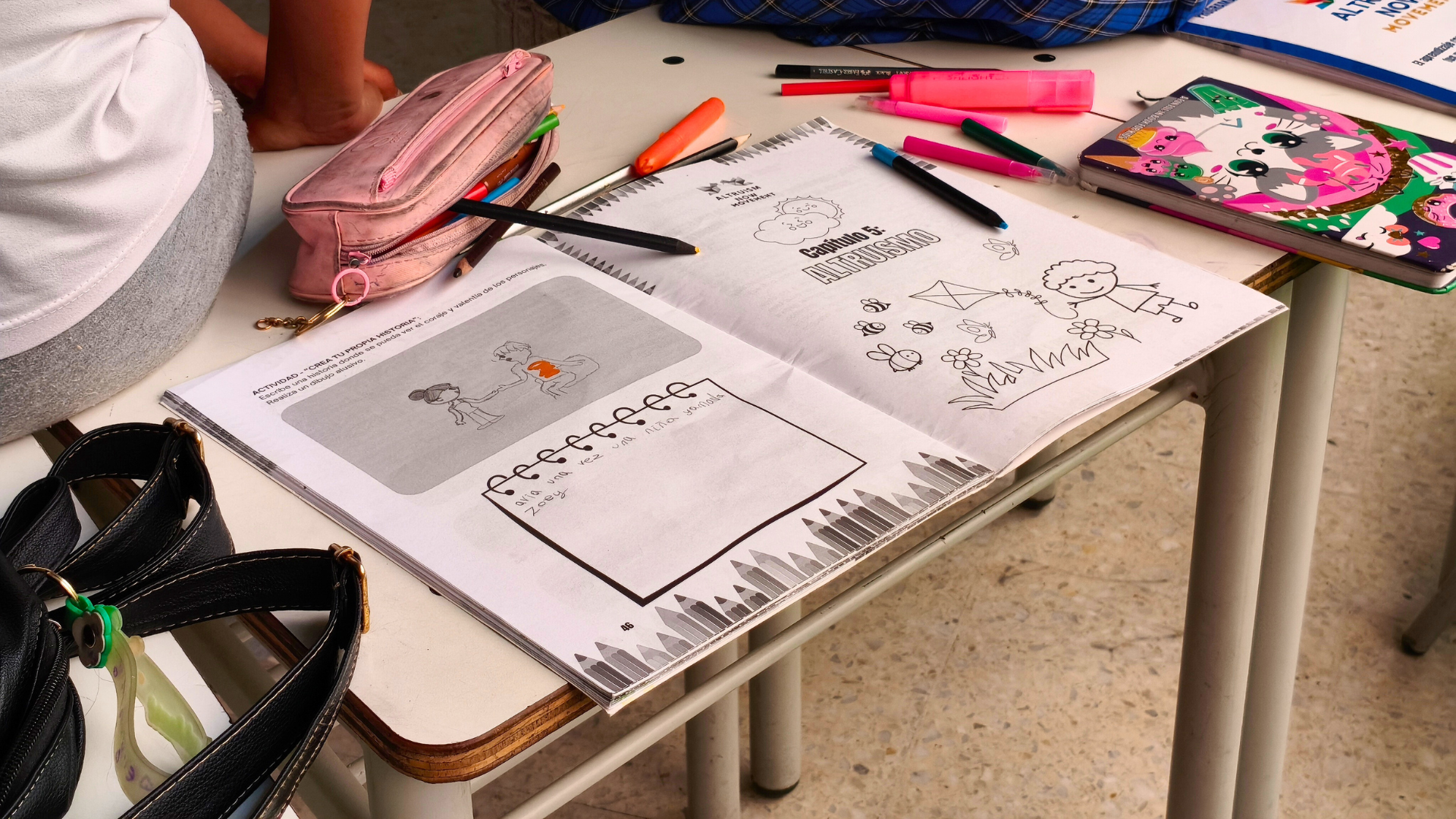
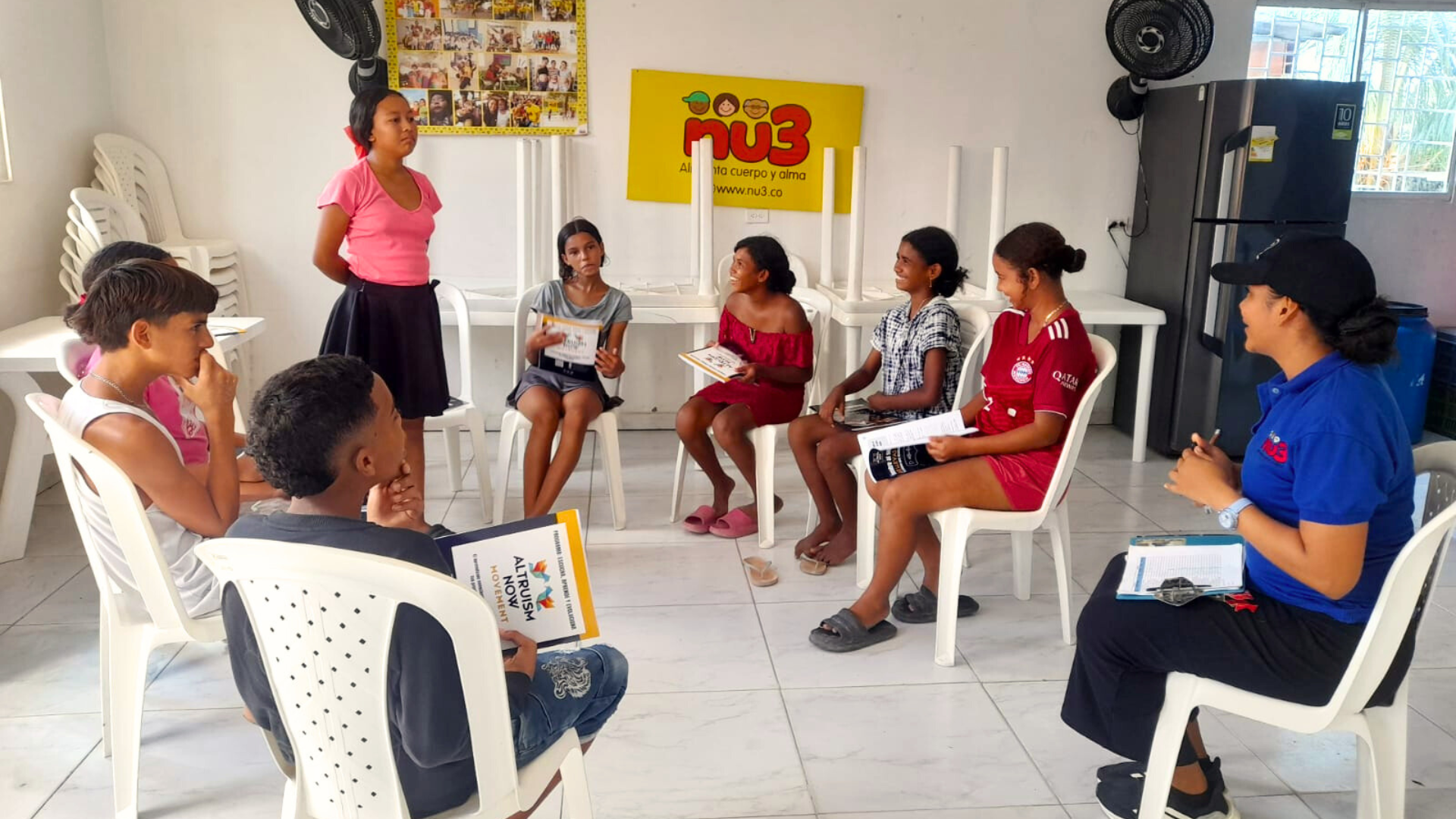
8,773
Total Participants
6,039
Children
2,734
Youth
387
Superhero Guides Trained
100+
Institutions Partners
Key challenges we aim to solve through D-Prize funding:
- Build 'Offline-First' tech to ensure Guides run 3 weekly groups despite weak connectivity.
- Strengthen monitoring to verify high-fidelity facilitation by minimally trained local staff in remote zones.
- Improve impact tools to accurately track DALYs averted and wellbeing gains.
- Optimize production of Joy-First capsules and workbooks for low-cost scale.
- Expand the Superhero Guide network into new high-need regions and deepen partnerships.
This 6‑month offline-first pilot will validate our Superhero Guide model and strengthen the systems we need to scale The Joy Protocol across Latin America.
Evidence Behind the Model
EAE distributes Harvard & Columbia-validated “Joy-First” methodology using Play, Audio, and Somatic practices to rewire developing brains.
1. The Challenge - Post-Pandemic Trauma Trap
In Latin America, chronic violence locks children in a “survival brain” state. Without somatic regulation, cognitive learning is physically blocked.
World Bank: Mental Health in LAC
Untreated trauma costs the region 3,618 DALYs per 100k people.
Harvard Center on the Developing Child
Understanding Toxic Stress and its impact on brain architecture.
2. The Solution - "The Joy Protocol" (Neuroscience 2021+)
Integration of cutting-edge research on trauma recovery, emotional granularity, and the biological power of play.
AAP: The Antidote to Toxic Stress
The American Academy of Pediatrics confirms “Play” as an essential biological buffer.
Yale: Emotional Granularity
RULER framework for down-regulating the amygdala and restoring cognitive access.
Frontiers: The Audio Advantage
Validating audio-narratives for regulation and literacy in low-resource settings.
3. The Delivery - "Superhero Tribes" (Validated 2025)
Utilizing cost-effective models identified by Effective Altruism research and Task-Shifting Efficiency.
The Lancet: Task-Shifting Efficiency
Digital interventions guided by non-specialists in LMICs (d=0.50+).
World Happiness Report 2025
Identifying group-based lay psychotherapy as a top cost-effective intervention.
4. The Economic Case - Soft Skills as Hard Capital
Longitudinal data confirms childhood self-regulation predicts adult financial security better than IQ.
PMC: The Wealth Predictor
The relationship between childhood regulation and long-term financial stability.
CASEL: High ROI of SEL
Social and Emotional Learning (SEL) yields an $11 return for every $1 invested.
Key References
- Happier Lives Institute (2023): "Cost-effectiveness analysis of group psychotherapy."
- Fu, Z., et al. (The Lancet Global Health, 2022): "Digital interventions for mental health in LMICs."
- Yogman, M., et al. (Pediatrics, 2021): "The Power of Play: Enhancing Development."
- Brackett, M. A. (2019): Permission to Feel. Yale Center for Emotional Intelligence.
- Belfield, C. (2015): "The Economic Value of SEL." Columbia University.